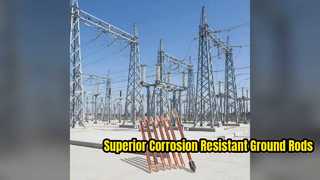
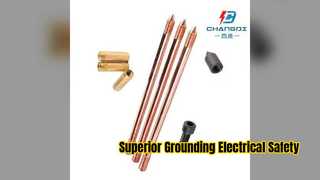
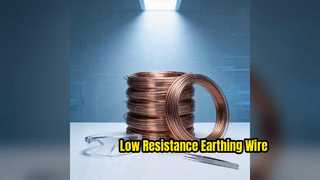
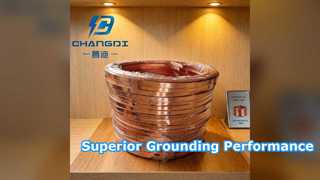
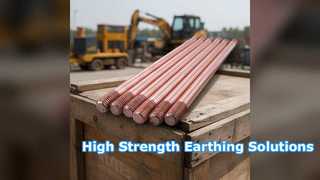
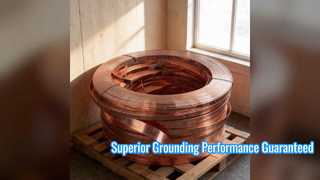
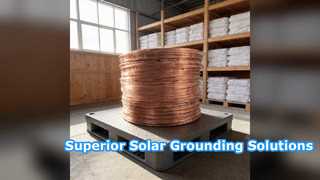
Brief: Step into our short showcase to explore the solution’s standout capabilities. This video provides a detailed walkthrough of Copper Clad Steel Tapes, demonstrating how they deliver long-lasting grounding protection by combining copper's conductivity with steel's strength. You'll see how this material performs in real-world applications and learn why it's a cost-effective choice for robust electrical grounding systems.
Related Product Features:
Combines copper's excellent electrical conductivity and corrosion resistance with steel's mechanical strength and cost-efficiency.
The outer copper layer ensures low electrical resistance for efficient current flow in grounding applications.
Maintains performance stability over time due to the durable copper cladding.
Offers high corrosion resistance, extending service life even in harsh environmental conditions.
Ideal for use in coastal or industrial areas where corrosion resistance is critical.
Provides cost-effective performance by using a steel core to reduce material costs.
Retains the majority of copper's electrical and protective benefits at a lower cost.
Suitable for grounding and lightning protection systems requiring long-lasting durability.
FAQs:
What are the main advantages of using Copper Clad Steel Tapes for grounding?
Copper Clad Steel Tapes offer superior conductivity from the copper layer, high corrosion resistance that extends service life, and cost-effective performance by combining steel's affordability with copper's benefits.
How does the copper cladding contribute to the tape's performance?
The outer copper layer ensures low electrical resistance for efficient current flow and provides inherent resistance to oxidation and chemical corrosion, maintaining stable performance over time.
Are Copper Clad Steel Tapes suitable for harsh environments?
Yes, their high corrosion resistance makes them ideal for harsh conditions like coastal or industrial areas, significantly extending their service life compared to less protected materials.
Why are these tapes considered a cost-effective grounding solution?
By using a steel core, material costs are greatly reduced compared to pure copper, while still retaining most of copper's electrical conductivity and protective properties.