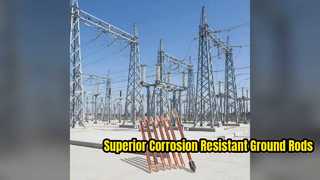
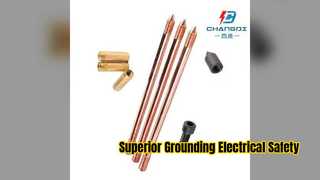
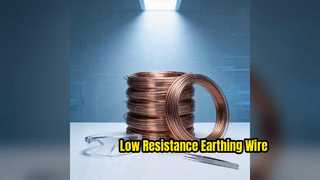
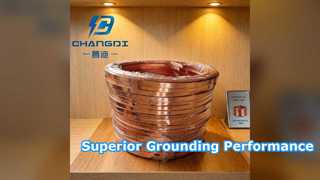
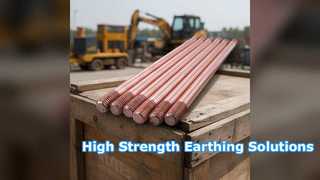
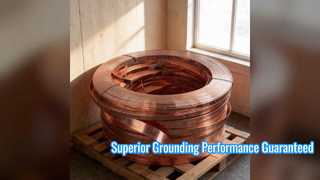
Brief: This video provides a detailed walkthrough of Copper Clad Steel Flat Bar for grounding applications. You will see how this durable product is constructed and observe its high conductivity in action. We demonstrate the practical installation process and explain the key differences between copper-clad and copper-plated steel bars to help you make an informed choice for your electrical projects.
Related Product Features:
Copper Clad Steel Flat Bar is designed for durable grounding applications with high conductivity.
The product is suitable for various electrical grounding and bonding requirements.
Copper-Clad construction implies a robust, integrated layering for enhanced durability.
Copper-Plated versions focus on surface treatment for superior corrosion resistance.
It offers excellent electrical conductivity for reliable performance in grounding systems.
The flat bar design ensures easy installation and secure connections.
Specifications often favor Copper-Clad for its structural integrity and long service life.
Available options cater to different project needs, emphasizing either conductivity or corrosion protection.
FAQs:
What is the primary use of Copper Clad Steel Flat Bar?
Copper Clad Steel Flat Bar is primarily used for durable grounding and various electrical applications, providing high conductivity and reliable performance.
What is the difference between Copper-Clad and Copper-Plated Steel Flat Bar?
Copper-Clad Steel Flat Bar features an integrated, layered construction for durability, while Copper-Plated emphasizes surface treatment for enhanced corrosion resistance and conductivity.
Why is Copper-Clad often preferred in specifications?
Copper-Clad is favored in spec sheets because it implies superior durability and a robust, integrated construction that ensures long-term reliability in grounding systems.